How AI Person Detection Works on Security Cameras
If your security cameras send alerts every time a leaf blows past the lens, AI person detection is the upgrade your business needs.
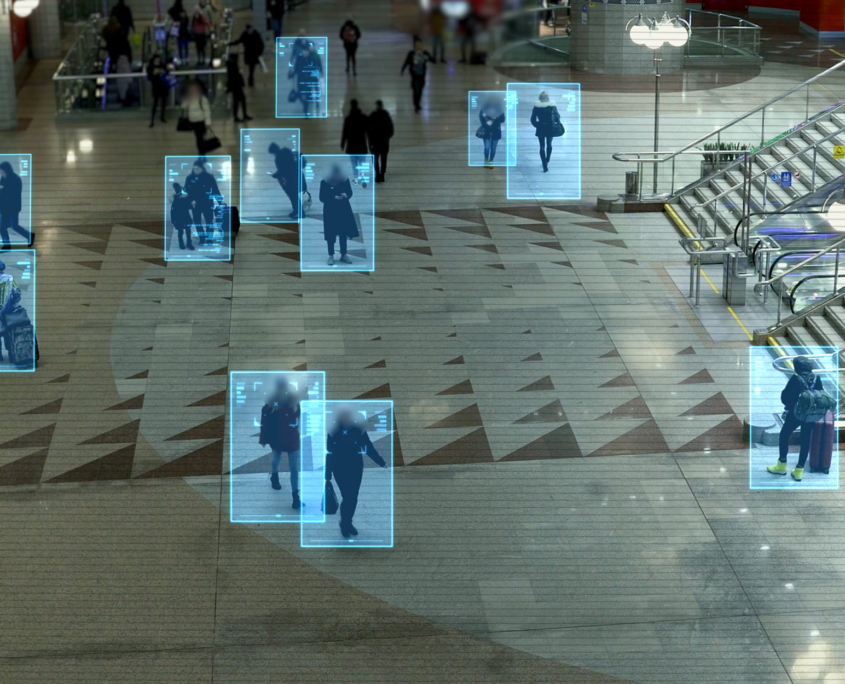

If your security cameras send alerts every time a leaf blows past the lens, AI person detection is the upgrade your business needs.
Most businesses with security cameras rely on motion detection to flag suspicious activity. The idea makes sense on the surface: something moves, the camera notices, and you get an alert. In practice, it creates more problems than it solves.
Standard motion detection does not know what it is looking at. It responds to any change in the camera’s field of view, whether that is a person, a vehicle, an animal, or a shadow shifting as the sun moves. The result is a constant stream of alerts that have nothing to do with a real threat. Over time, teams stop responding to notifications because they have learned that most of them mean nothing. Security professionals call this alarm fatigue, and it creates a dangerous gap in coverage when a genuine incident occurs.
Motion detection also misses real threats. A person moving slowly or staying still in a restricted area may not trigger an alert at all because the system is looking for movement rather than presence.
AI person detection uses computer vision to identify human shapes and movement patterns within camera footage. Instead of reacting to any pixel change, the system analyzes each frame of video, classifies what it sees, and sends an alert only when it confirms a human presence that warrants attention.
The difference between motion detection vs. AI detection becomes clear the moment you look at what each system actually responds to. A standard motion sensor treats a gust of wind the same as a person crossing a restricted boundary. An AI-powered system filters out irrelevant triggers and focuses exclusively on confirmed human activity. Every alert carries real information, which means every alert gets taken seriously.
AI video surveillance also distinguishes between intentional human presence and incidental appearance. A delivery driver making a scheduled drop is treated differently from someone approaching a locked entrance at midnight. The system applies context, not just detection, to determine when a response is actually needed.
Smart security cameras capture live video and pass it to the AI system for analysis. The system examines individual frames, identifying objects based on shape, size, and movement pattern. When it recognizes a human form, it cross-references that detection against configured rules, such as whether the person is in a restricted zone, whether it is outside normal operating hours, or whether the behavior matches a flagged pattern like loitering. If the detection meets the threshold, the system sends a notification immediately to the designated contacts.
Some systems process this analysis at the camera level, known as edge-based processing. Others send footage to a cloud platform where the analysis happens remotely. Both deliver real-time alerts, but edge-based systems tend to respond faster and continue functioning even if the network connection is interrupted.
AI person detection delivers practical value across the industries ANI serves. The use cases where it makes the most difference include:
Discover how ANI’s surveillance systems are configured around your property’s specific risk zones so every alert carries real meaning.
Not all systems perform equally, and the right fit depends on the specific demands of your environment. Businesses evaluating AI person detection should compare options carefully before committing to a platform. When reviewing systems, prioritize the following:
Choosing the right technology is only part of the equation. How a system gets configured and installed determines how well it performs in a real environment. ANI approaches every implementation with a structured process designed to maximize detection accuracy from day one.
The process starts with a thorough assessment of the property layout and risk zones. ANI identifies the areas that need the most attention, including entry points, restricted spaces, perimeter boundaries, and high-value storage areas. Smart security cameras are then placed strategically to ensure optimal coverage without blind spots. Once cameras are installed, the AI rules are configured specifically for the property, including detection zones, schedules, and alert thresholds calibrated to minimize false positives.
The short answer is yes. Small businesses face the same after-hours risks and false alarm fatigue as larger operations, just with fewer resources to manage them. AI person detection levels the playing field by automating what would otherwise require dedicated monitoring staff, making professional-grade security accessible without the overhead.
Businesses that still rely on standard motion detection are accepting a level of noise and missed threats that smarter technology has already solved. Akisha Networks designs and installs AI video surveillance systems built around the specific layout and risk profile of your property. Contact ANI today to find out how AI person detection can improve security accuracy and give your team alerts worth acting on.
 https://www.akishanetworks.com/wp-content/uploads/2026/05/How-Commercial-Security-Cameras-Can-Help-Strengthen-Employee-Safety.jpg
1250
2000
AbstraktMarketing
/wp-content/uploads/2024/05/ANI-Logo-v3-SayS-white-1030x213-2-300x166.png
AbstraktMarketing2026-05-27 08:51:032026-08-31 09:01:54How Commercial Security Cameras Can Help Strengthen Employee Safety
https://www.akishanetworks.com/wp-content/uploads/2026/05/How-Commercial-Security-Cameras-Can-Help-Strengthen-Employee-Safety.jpg
1250
2000
AbstraktMarketing
/wp-content/uploads/2024/05/ANI-Logo-v3-SayS-white-1030x213-2-300x166.png
AbstraktMarketing2026-05-27 08:51:032026-08-31 09:01:54How Commercial Security Cameras Can Help Strengthen Employee Safety https://www.akishanetworks.com/wp-content/uploads/2026/05/How-AI-Powered-Surveillance-Helps-Lean-Teams-Protect-More-Ground.jpg
1250
2000
AbstraktMarketing
/wp-content/uploads/2024/05/ANI-Logo-v3-SayS-white-1030x213-2-300x166.png
AbstraktMarketing2026-05-27 08:38:222026-08-31 09:01:54How AI-Powered Surveillance Helps Lean Teams Protect More Ground
https://www.akishanetworks.com/wp-content/uploads/2026/05/How-AI-Powered-Surveillance-Helps-Lean-Teams-Protect-More-Ground.jpg
1250
2000
AbstraktMarketing
/wp-content/uploads/2024/05/ANI-Logo-v3-SayS-white-1030x213-2-300x166.png
AbstraktMarketing2026-05-27 08:38:222026-08-31 09:01:54How AI-Powered Surveillance Helps Lean Teams Protect More Ground https://www.akishanetworks.com/wp-content/uploads/2026/05/How-AI-Is-Changing-the-Way-Businesses-Review-Commercial-Surveillance-Camera-Footage.jpg
1250
2000
AbstraktMarketing
/wp-content/uploads/2024/05/ANI-Logo-v3-SayS-white-1030x213-2-300x166.png
AbstraktMarketing2026-05-27 08:28:402026-08-31 09:01:54How AI Is Changing the Way Businesses Review Commercial Surveillance Camera Footage
https://www.akishanetworks.com/wp-content/uploads/2026/05/How-AI-Is-Changing-the-Way-Businesses-Review-Commercial-Surveillance-Camera-Footage.jpg
1250
2000
AbstraktMarketing
/wp-content/uploads/2024/05/ANI-Logo-v3-SayS-white-1030x213-2-300x166.png
AbstraktMarketing2026-05-27 08:28:402026-08-31 09:01:54How AI Is Changing the Way Businesses Review Commercial Surveillance Camera Footage https://www.akishanetworks.com/wp-content/uploads/2026/04/person-checking-video-surveillance.jpg
1250
2000
AbstraktMarketing
/wp-content/uploads/2024/05/ANI-Logo-v3-SayS-white-1030x213-2-300x166.png
AbstraktMarketing2026-04-14 10:59:392026-08-31 09:01:54What Is AI Video Analytics and Why Your Business Cameras Should Have It
https://www.akishanetworks.com/wp-content/uploads/2026/04/person-checking-video-surveillance.jpg
1250
2000
AbstraktMarketing
/wp-content/uploads/2024/05/ANI-Logo-v3-SayS-white-1030x213-2-300x166.png
AbstraktMarketing2026-04-14 10:59:392026-08-31 09:01:54What Is AI Video Analytics and Why Your Business Cameras Should Have It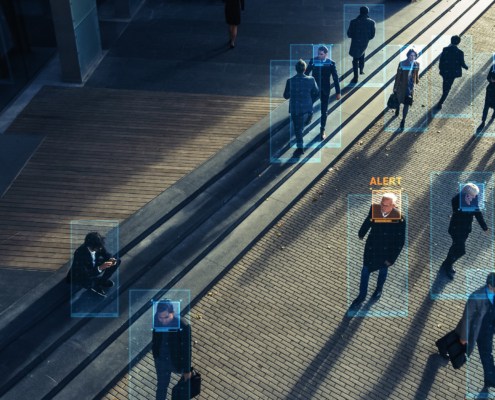 https://www.akishanetworks.com/wp-content/uploads/2026/04/AI-Securiyt-System-detecting-threat.jpg
1250
2000
AbstraktMarketing
/wp-content/uploads/2024/05/ANI-Logo-v3-SayS-white-1030x213-2-300x166.png
AbstraktMarketing2026-04-14 10:45:512026-08-31 09:01:54How AI Security Systems Are Transforming Business Surveillance
https://www.akishanetworks.com/wp-content/uploads/2026/04/AI-Securiyt-System-detecting-threat.jpg
1250
2000
AbstraktMarketing
/wp-content/uploads/2024/05/ANI-Logo-v3-SayS-white-1030x213-2-300x166.png
AbstraktMarketing2026-04-14 10:45:512026-08-31 09:01:54How AI Security Systems Are Transforming Business Surveillance https://www.akishanetworks.com/wp-content/uploads/2025/06/The-Benefits-of-Cloud-Based-Video-Surveillance-for-Commercial-Properties.jpg
1250
2000
AbstraktMarketing
/wp-content/uploads/2024/05/ANI-Logo-v3-SayS-white-1030x213-2-300x166.png
AbstraktMarketing2025-06-26 07:00:502026-08-31 09:01:58The Benefits of Cloud-Based Video Surveillance for Commercial Properties
https://www.akishanetworks.com/wp-content/uploads/2025/06/The-Benefits-of-Cloud-Based-Video-Surveillance-for-Commercial-Properties.jpg
1250
2000
AbstraktMarketing
/wp-content/uploads/2024/05/ANI-Logo-v3-SayS-white-1030x213-2-300x166.png
AbstraktMarketing2025-06-26 07:00:502026-08-31 09:01:58The Benefits of Cloud-Based Video Surveillance for Commercial Properties https://www.akishanetworks.com/wp-content/uploads/2025/05/man-install-surveillance-ip-camera-for-home-security.jpg
1250
2000
AbstraktMarketing
/wp-content/uploads/2024/05/ANI-Logo-v3-SayS-white-1030x213-2-300x166.png
AbstraktMarketing2025-05-02 14:12:042026-08-31 09:01:59The Hidden Dangers of DIY Security Camera Installation
https://www.akishanetworks.com/wp-content/uploads/2025/05/man-install-surveillance-ip-camera-for-home-security.jpg
1250
2000
AbstraktMarketing
/wp-content/uploads/2024/05/ANI-Logo-v3-SayS-white-1030x213-2-300x166.png
AbstraktMarketing2025-05-02 14:12:042026-08-31 09:01:59The Hidden Dangers of DIY Security Camera Installation https://www.akishanetworks.com/wp-content/uploads/2025/05/Security-worker-during-monitoring.-Video-surveillance-system.jpg
1250
2000
AbstraktMarketing
/wp-content/uploads/2024/05/ANI-Logo-v3-SayS-white-1030x213-2-300x166.png
AbstraktMarketing2025-05-02 14:04:212026-08-31 09:01:59What Features to Look for in a Modern Business Surveillance System
https://www.akishanetworks.com/wp-content/uploads/2025/05/Security-worker-during-monitoring.-Video-surveillance-system.jpg
1250
2000
AbstraktMarketing
/wp-content/uploads/2024/05/ANI-Logo-v3-SayS-white-1030x213-2-300x166.png
AbstraktMarketing2025-05-02 14:04:212026-08-31 09:01:59What Features to Look for in a Modern Business Surveillance System https://www.akishanetworks.com/wp-content/uploads/2025/05/closed-circuit-camera-Multi-angle-CCTV-system-against-the-background-of-a-modern-warehouse.jpg
1250
2000
AbstraktMarketing
/wp-content/uploads/2024/05/ANI-Logo-v3-SayS-white-1030x213-2-300x166.png
AbstraktMarketing2025-05-01 07:57:432026-08-31 09:02:00Meta Title: Warehouse Security Camera System: Maximize Your Protection
https://www.akishanetworks.com/wp-content/uploads/2025/05/closed-circuit-camera-Multi-angle-CCTV-system-against-the-background-of-a-modern-warehouse.jpg
1250
2000
AbstraktMarketing
/wp-content/uploads/2024/05/ANI-Logo-v3-SayS-white-1030x213-2-300x166.png
AbstraktMarketing2025-05-01 07:57:432026-08-31 09:02:00Meta Title: Warehouse Security Camera System: Maximize Your Protection