Most small and mid-sized businesses have security gaps, whether it’s the back entrance that doesn’t always get checked or the camera footage that would take days to review if something actually happened. The assumption, for a lot of these businesses, is that closing those gaps requires hiring more people. AI-powered surveillance is changing that. When the right technology is layered together thoughtfully, a lean team can cover more ground, detect threats faster, and respond more effectively than a larger team relying on outdated systems.
The Three Layers That Make It Work
AI-powered surveillance doesn’t function as a force multiplier on its own. The real operational advantage comes from combining three distinct capabilities into a system that works together with each layer covering for the limitations of the others. Understanding what each one contributes helps clarify why the combination is more powerful than any single piece on its own.
AI-Powered Cameras and Automated Detection
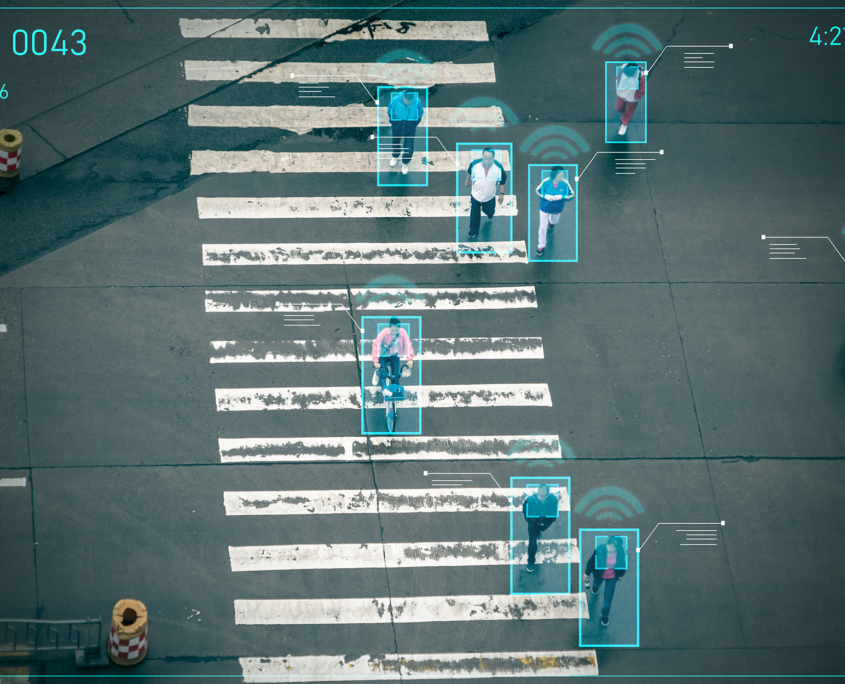
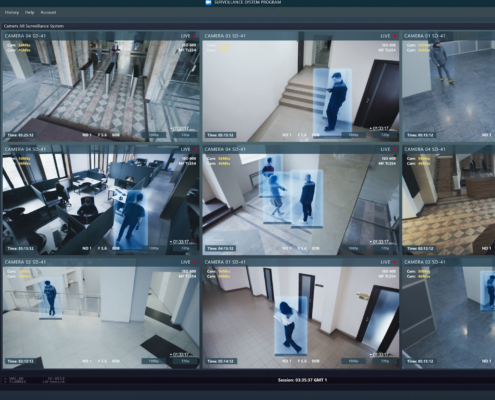
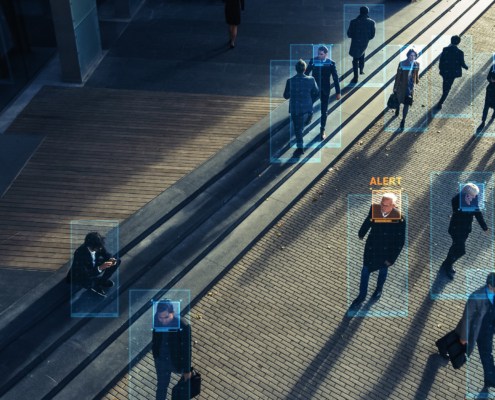
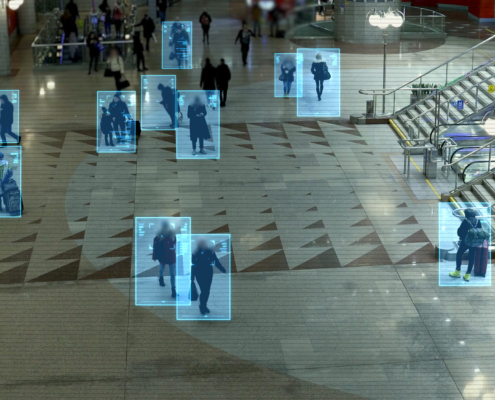
Traditional commercial surveillance cameras record everything and understand nothing. AI-powered surveillance cameras change that by analyzing feeds in real time, recognizing objects and behaviors, and flagging only what actually warrants attention. That means your team is responding to specific, verified alerts.
AI-powered surveillance systems built around intelligent detection can monitor a property continuously without the coverage gaps that come with shift changes and staffing shortages. For a small team, that kind of automated security threat detection is the foundation everything else builds on.
Live Guard Services
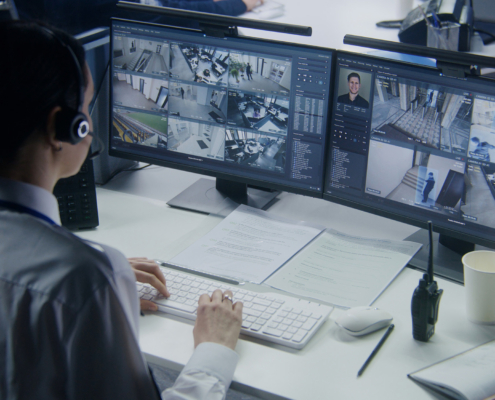
Live guard services pair remote monitoring professionals with your camera network, so that when the system flags something, a trained person is already watching and ready to act. They can issue audio warnings, contact local authorities, or dispatch on-site response all without requiring your internal team to be physically present or on call around the clock.
This is where real-time video monitoring combined with live guard intervention becomes especially valuable for lean operations. You get the deterrence and response capability of a staffed security presence without the overhead of hiring, scheduling, and managing that staff yourself.
Remote Monitoring and Managed Oversight
Managed security solutions handle the ongoing work of keeping a security network healthy and effective, from device performance and system updates to alert management and continuous network oversight. For a small team, this is often the layer that gets skipped entirely because there simply isn’t bandwidth to manage it.
When remote monitoring is part of the package, that operational burden shifts to a dedicated team whose entire job is making sure the system is working correctly. The result is a security operation that runs consistently well, even when your internal team is focused on everything else a business demands. Understanding the full cost difference between managed and unmanaged approaches makes clear why this layer matters as much as the hardware itself.
What the Integrated System Looks Like in Practice
Integrated security systems are components that communicate with each other, share data, and create a coordinated response rather than a collection of isolated tools. For a small team operating a business, that coordination is the difference between a system that works and one that just exists.
- Cameras feed the AI layer, which continuously analyzes footage, identifies anomalies, and generates alerts based on what it actually sees rather than triggering on every motion event
- Alerts route to live guard monitoring, where a professional assesses the situation in real time, filters out false positives, and takes appropriate action
- The monitoring layer tracks system health, ensuring cameras are online, storage is functioning, and nothing goes undetected due to a technical failure your team wouldn’t have noticed
- Everything is accessible from a single dashboard, giving whoever is responsible for security on your team a clear, current picture of your property without having to log into multiple systems or manage separate platforms
- Response protocols are predefined, so when a real threat is detected, the chain of action is already established